Kumasi, Monday, 2nd November 2026.
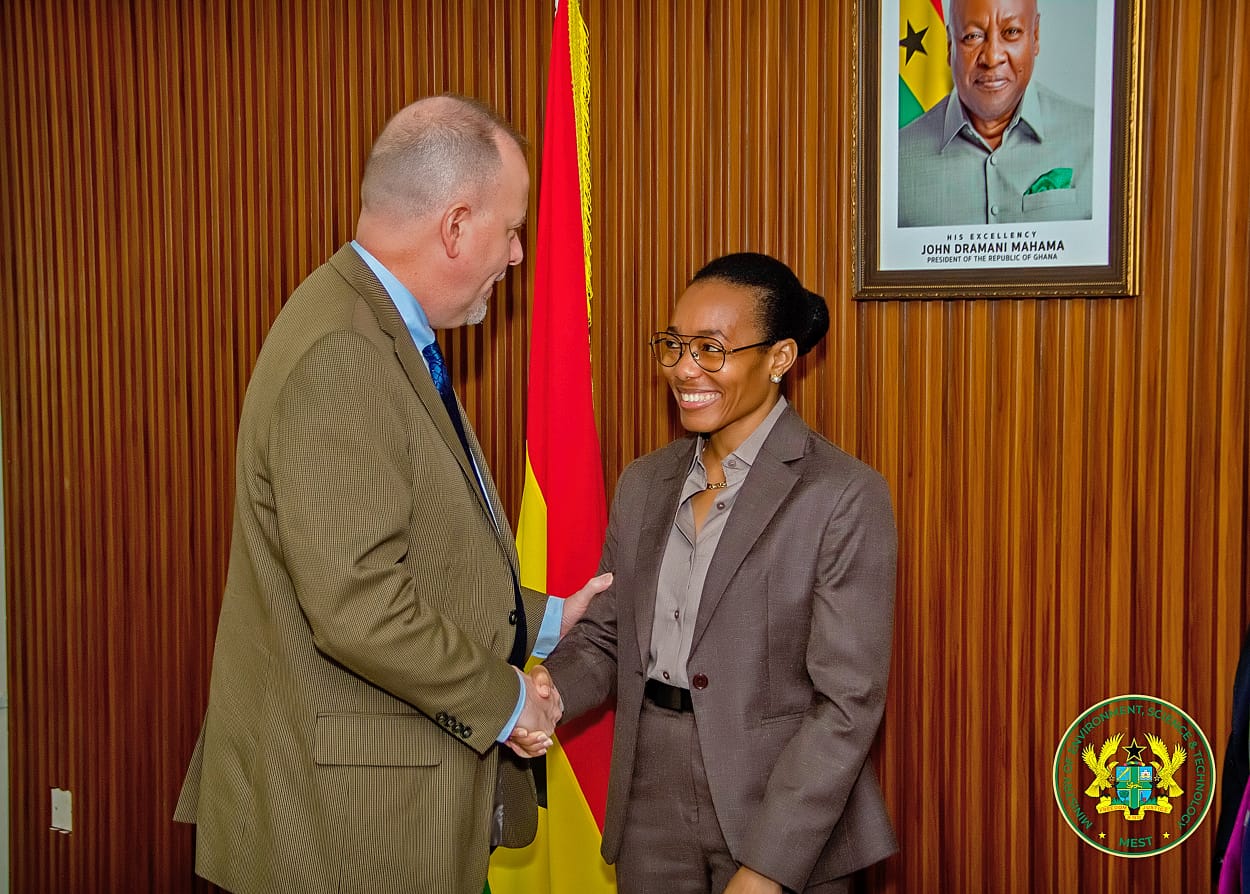
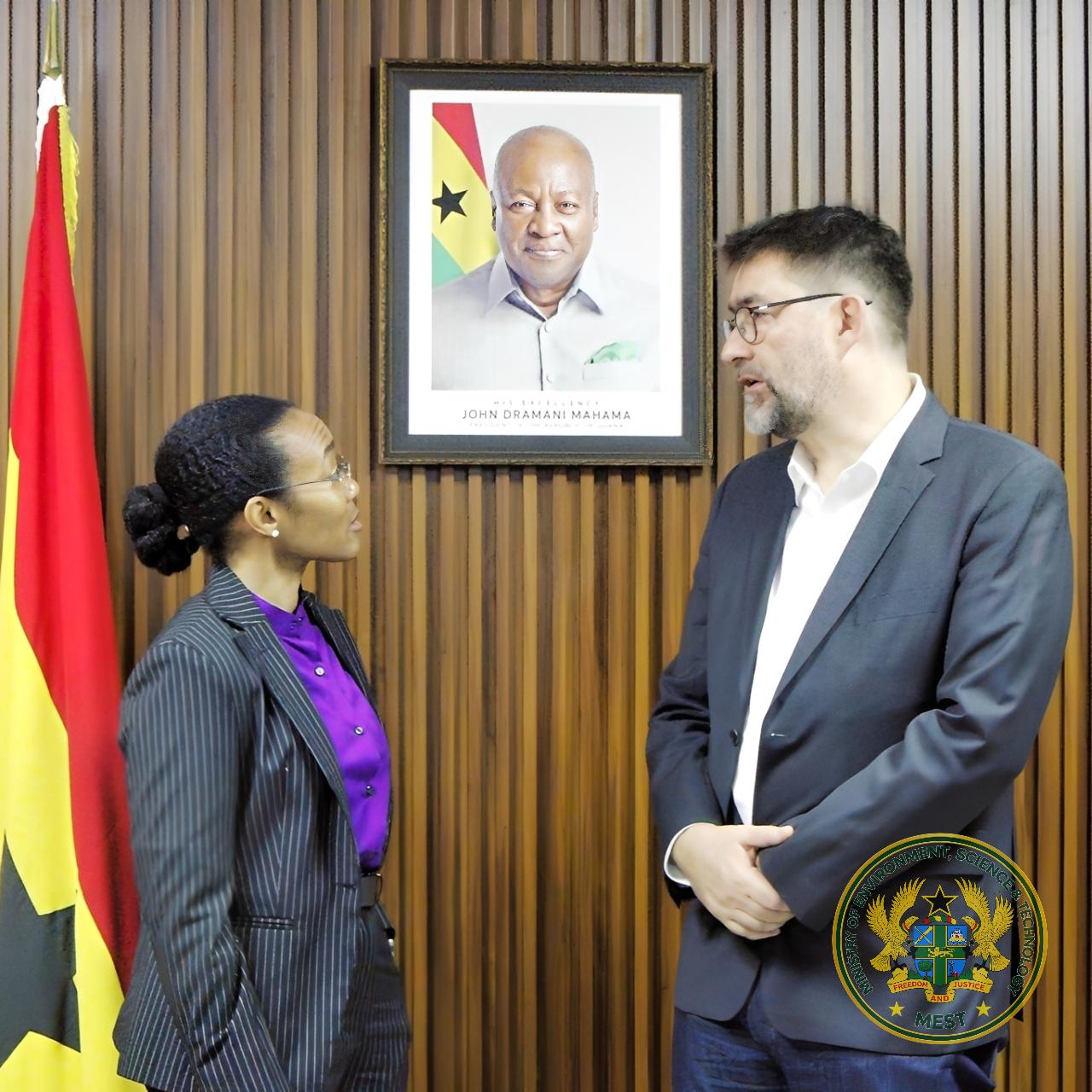
The Minister for Environment, Science and Technology, Dr. Zanetor Agyeman-Rawlings (MP), has stated that mining and environmental protection do not have to be mutually exclusive, and that mining can be undertaken responsibly with proper regulation, enforcement and accountability.
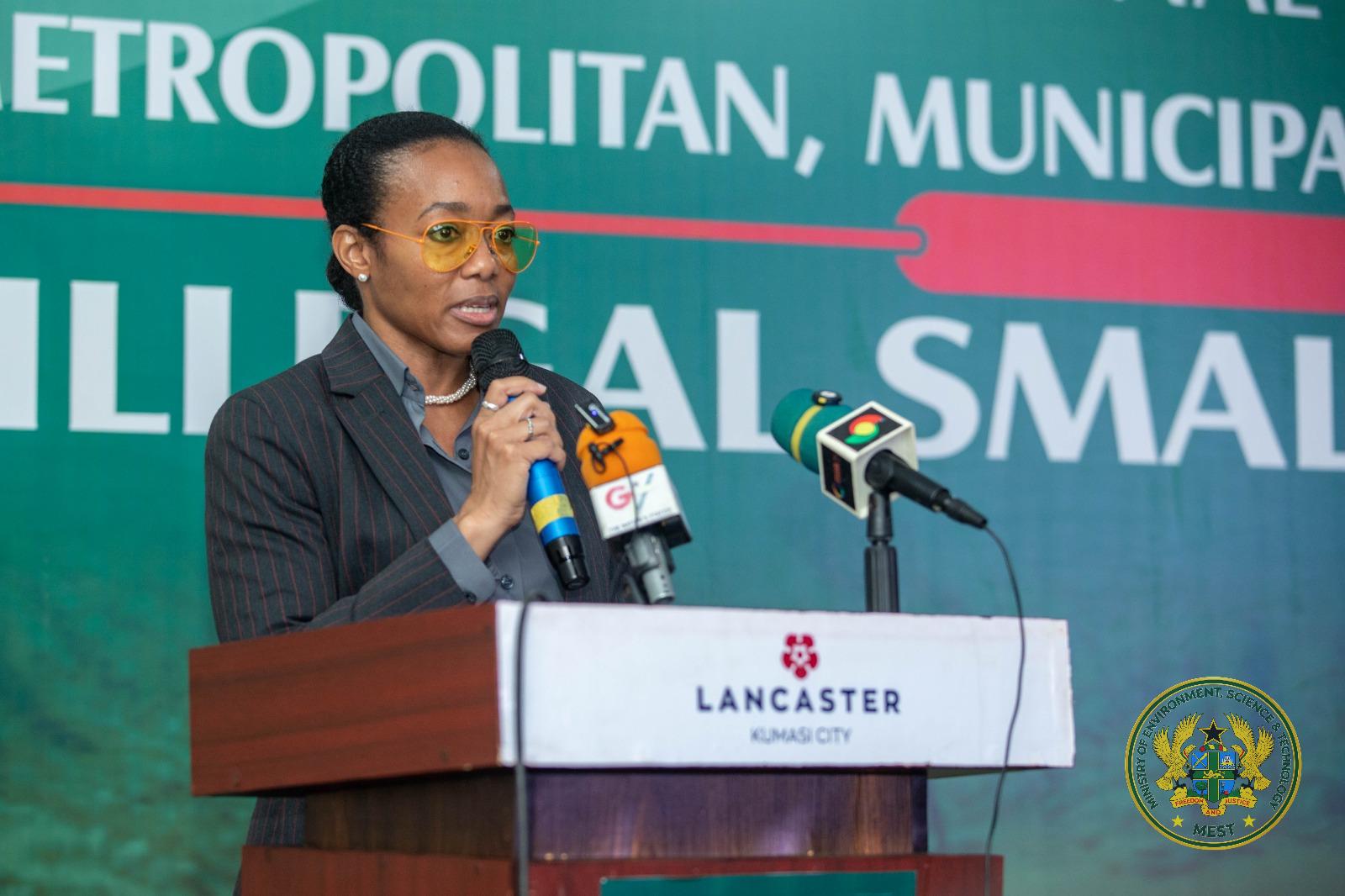
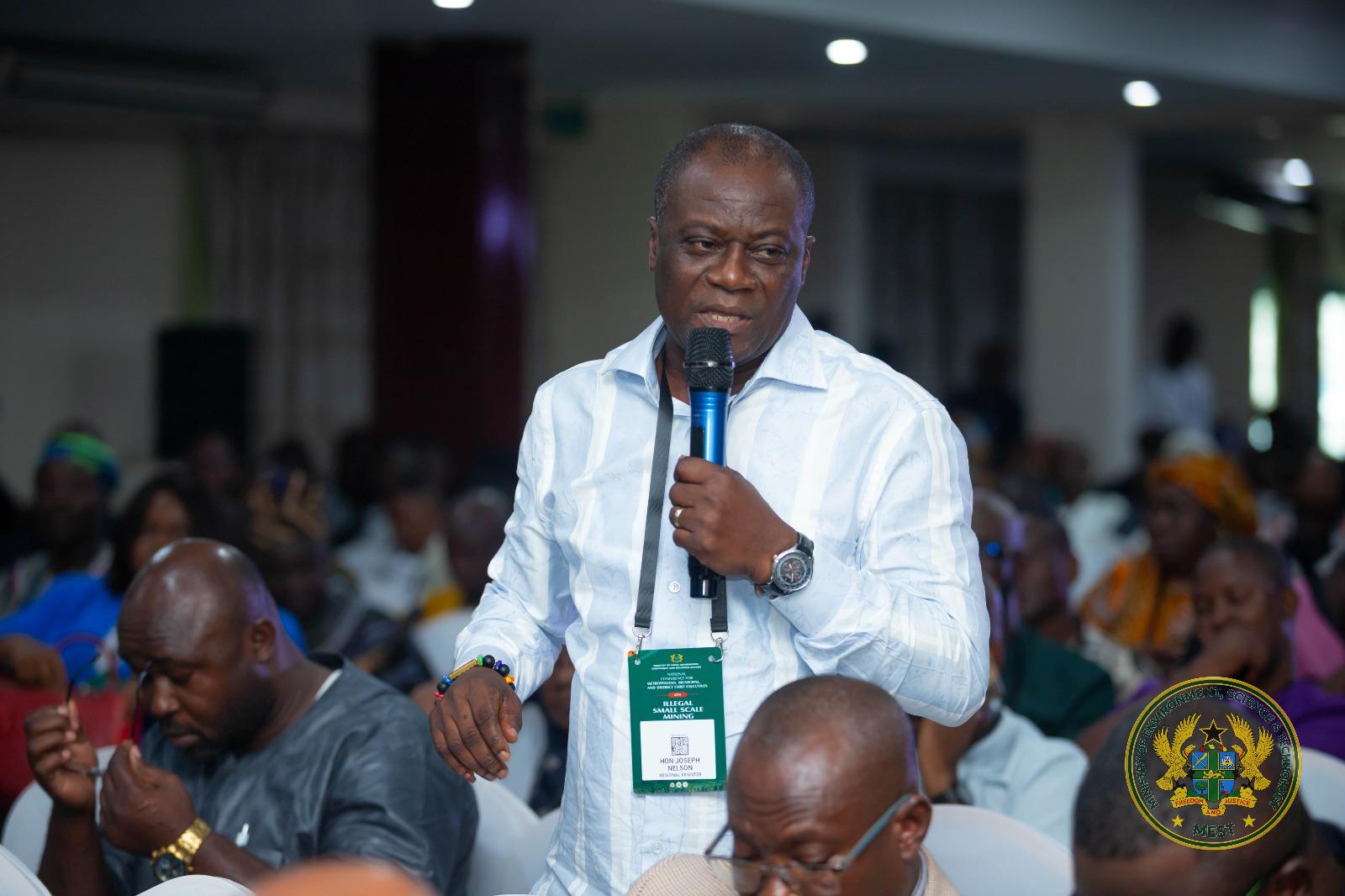
She was speaking at the National Conference for Metropolitan, Municipal and District Chief Executives (MMDCEs) on Small-Scale Illegal Mining (Galamsey), held in Kumasi on Monday, 2nd November 2026, under the theme “Combating Illegal Mining in Ghana: The Role of Local Governments.”
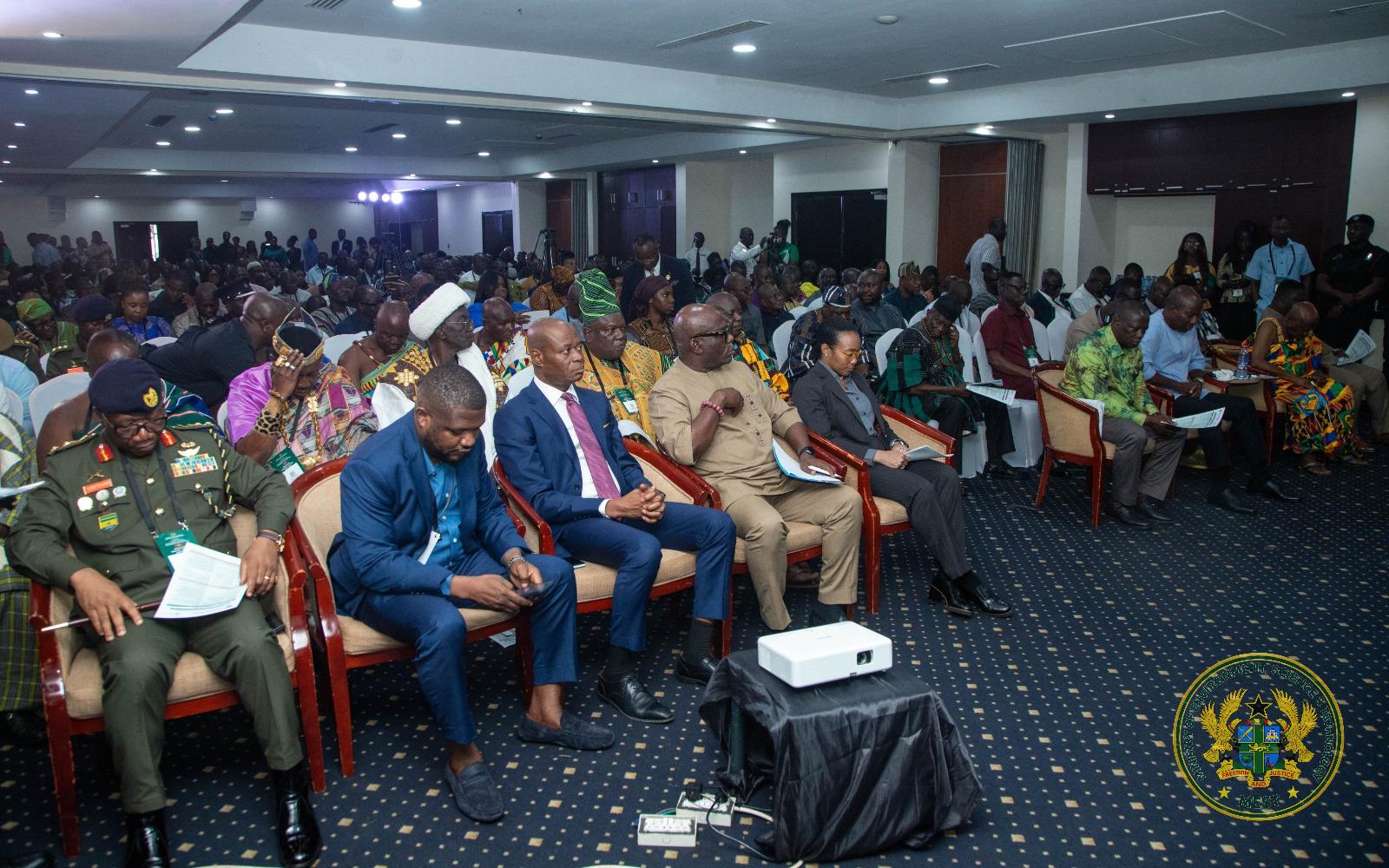
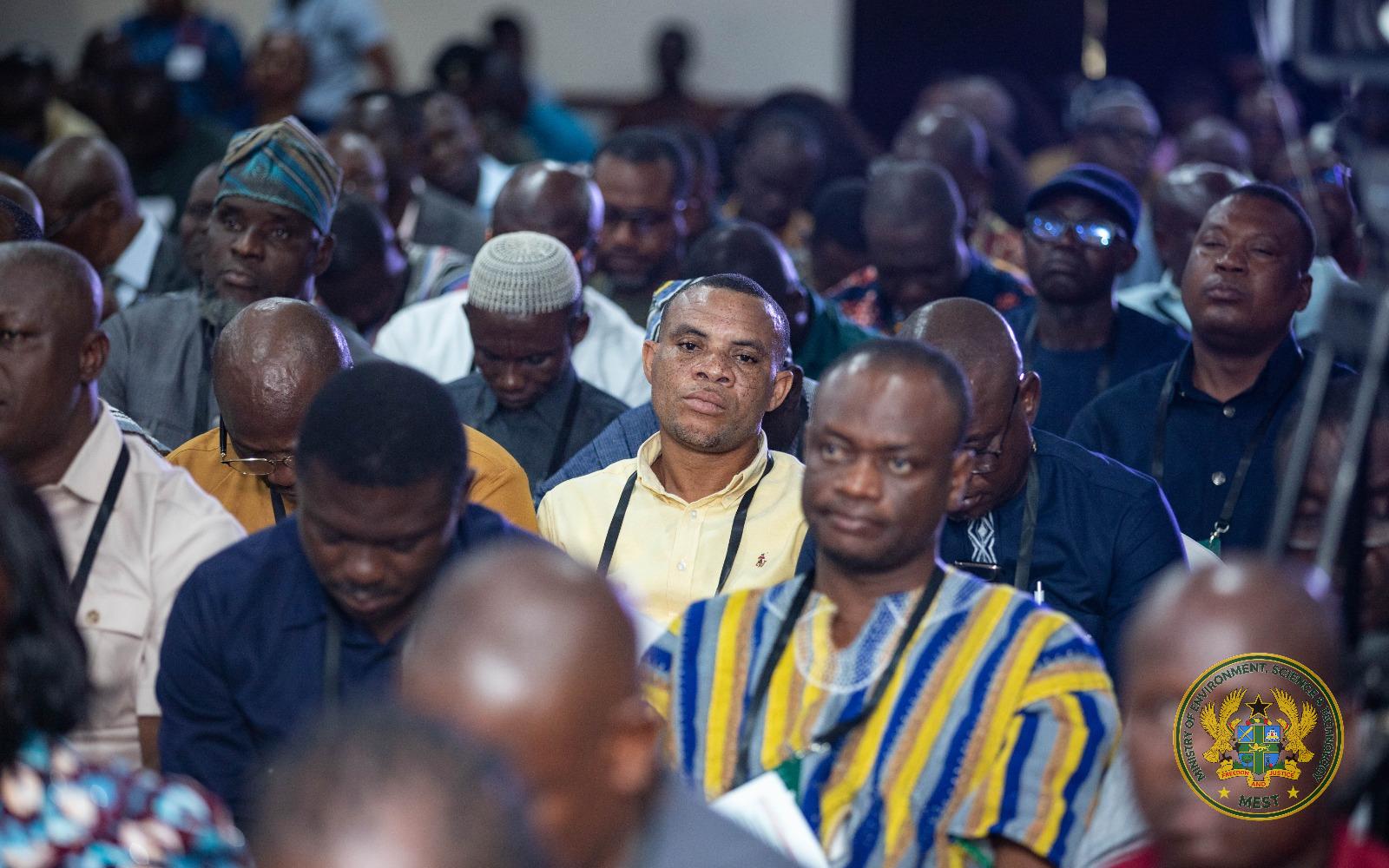
The objective of the one-day conference was to deliberate on the persistent threat posed by illegal mining to Ghana’s environment, water bodies, forest reserves, public health and sustainable development. It also provided a platform for Regional Ministers, MMDCEs and other stakeholders to examine practical and coordinated approaches to combating illegal mining, with emphasis on local-level enforcement, land-use management, environmental protection, community mobilisation, public education, and collaboration with traditional authorities, security agencies and other stakeholders.
Dr. Zanetor indicated that when rivers are polluted, forests destroyed and farmland rendered unusable, food security and livelihoods are threatened. She noted that her recent working visit to the Eastern Region revealed that, while land had been destroyed, vegetation cleared and deep pits left behind at Osino, there were deliberate efforts towards land reclamation, reforestation and responsible environmental management by Zijin Mining Company at New Abirem. “The contrast was striking. It demonstrated that mining can be undertaken responsibly when there is a commitment to doing the right thing,” she added.
She said climate change is affecting rainfall patterns, while farmers struggle to predict the seasons and flooding continues to affect communities across the country. “As a medical doctor, I am particularly concerned about the long-term implications for public health. These contaminants can enter our bodies through the water we drink and the food we eat. Some of their effects may not be immediately visible, but the consequences can last for generations,” she stressed.
Dr. Zanetor mentioned that, through her Ministry, the Environmental Protection Authority (EPA) is mandated to regulate and monitor the environmental impact of mining activities, ensuring compliance with environmental laws, preventing pollution and protecting lands, forests and water bodies. She added that the EPA also enforces environmental standards and oversees the restoration and rehabilitation of degraded mining areas, as follows:
- The Environmental Protection Act, 2025 (Act 1124) has expanded the EPA’s enforcement powers and given it financial autonomy. In 2025, the Authority monitored 19,079 undertakings, including mines. About one in three was non-compliant and faced enforcement notices, closures or prosecution.
- The EPA has banned the importation, assembly and use of changfan machines in mining, especially in water bodies. Customs and the security agencies are enforcing the ban.
- The EPA has piloted water treatment on the Birim, Tano and Bia Rivers. Building on those lessons, it has issued a Water Restoration Framework that sets clear rules for dredging and for reclaiming a 100-metre buffer on both banks of affected rivers.
- Under the planetGOLD programme, about 370 miners, more than a hundred of them women, have been trained in mercury-free gold processing. A clean mining demonstration centre has been completed at Tinga in the Savannah Region.
- Through the Ghana Landscape Restoration and Small-Scale Mining Project, we have restored more than 1,000 hectares of degraded land and re-established 1,604 hectares of riparian vegetation.
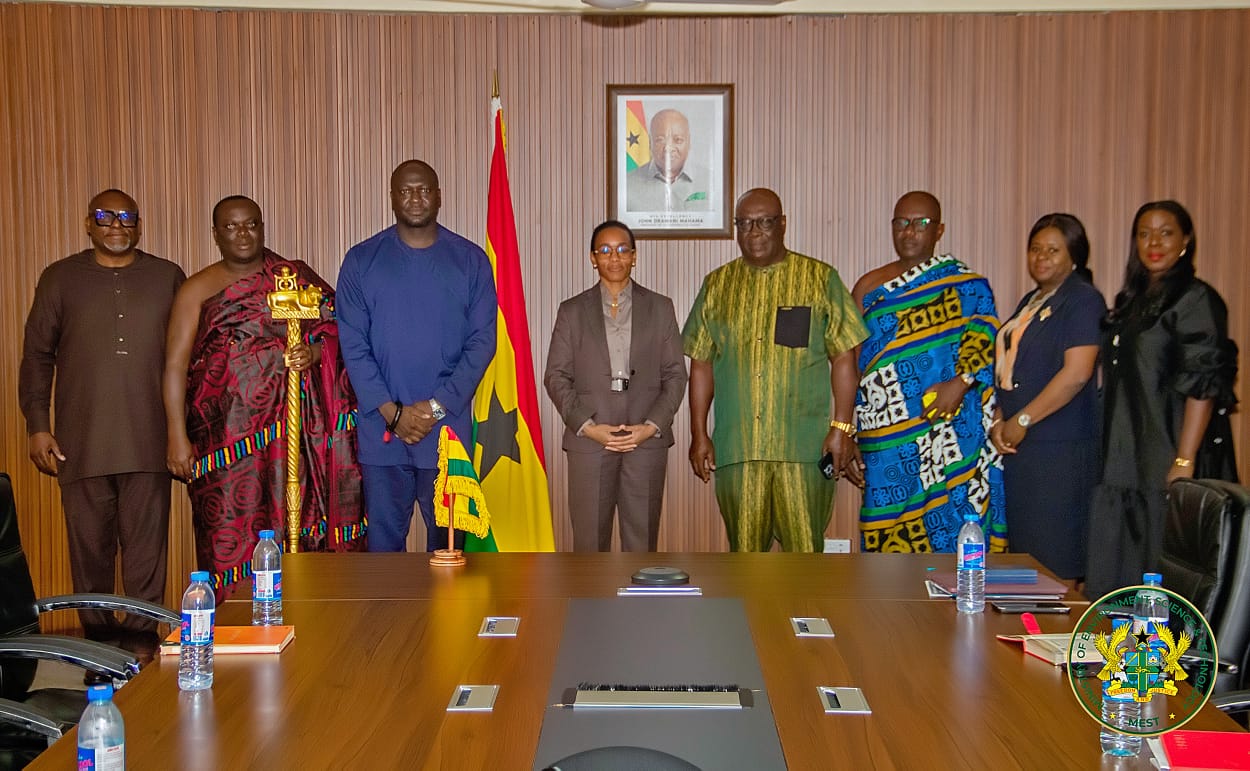
Dr. Zanetor said: “Despite all these steps that we have taken, we cannot restore a river today while allowing it to be polluted again tomorrow. Restoration must go hand in hand with prevention and enforcement. This requires stronger collaboration among all stakeholders involved: government, security agencies, traditional authorities and communities. We must strengthen monitoring of mining equipment, improve surveillance in affected districts and ensure that those responsible for environmental destruction are held accountable.” She therefore appealed to traditional authorities for their support, noting that government cannot win the fight against illegal mining without their support and the cooperation of the communities they lead.
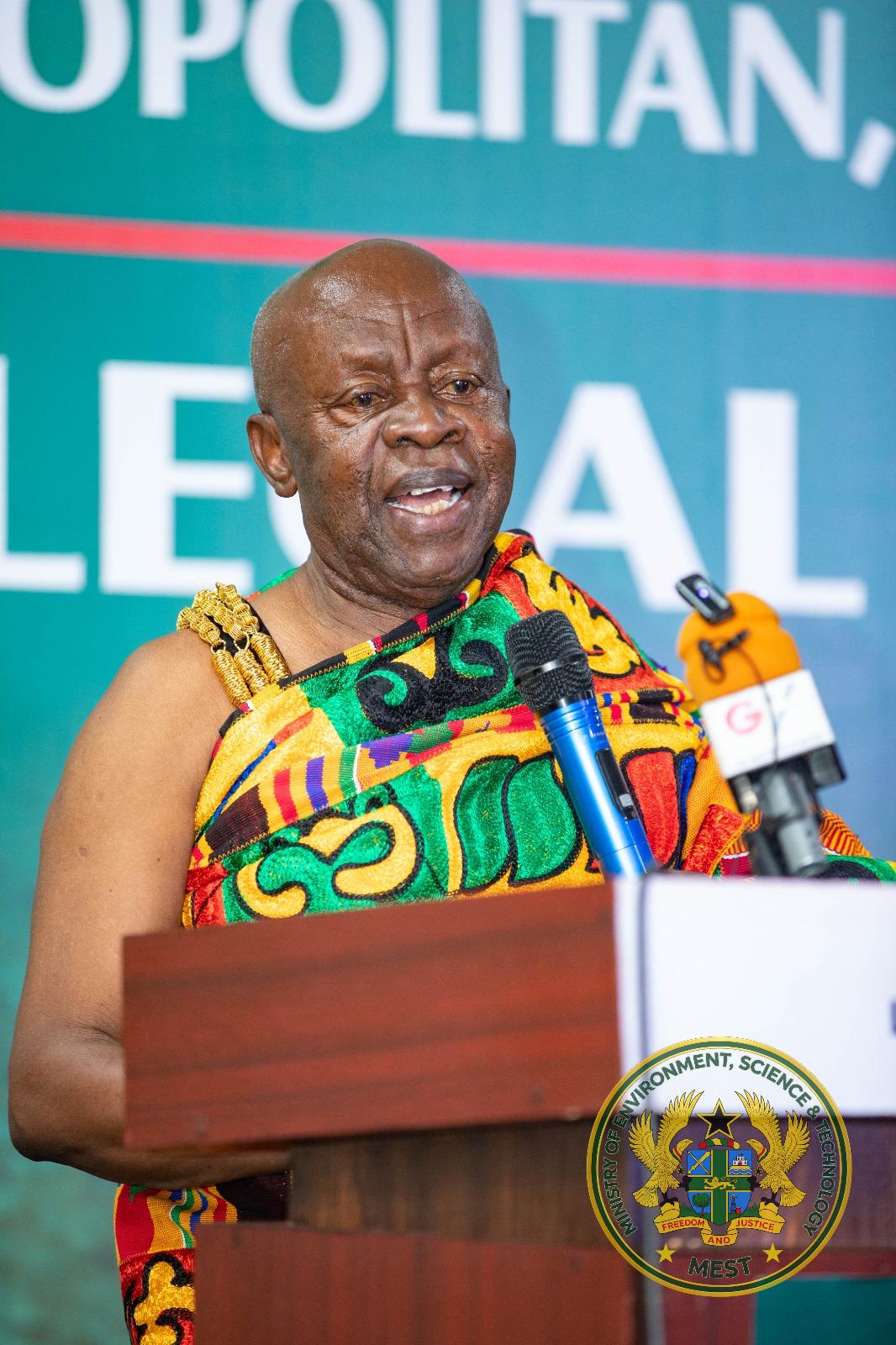
The Minister also appealed to the MMDCEs to make illegal mining a standing priority in their Security Committee meetings. “Know the state of your rivers and forest reserves. Monitor the movement of mining equipment, and work closely with all relevant stakeholders to support lawful, environmentally responsible livelihood opportunities for the communities. We are merely custodians of what we have inherited, and we have a responsibility to leave it in a better condition for those who come after us,” she reiterated.
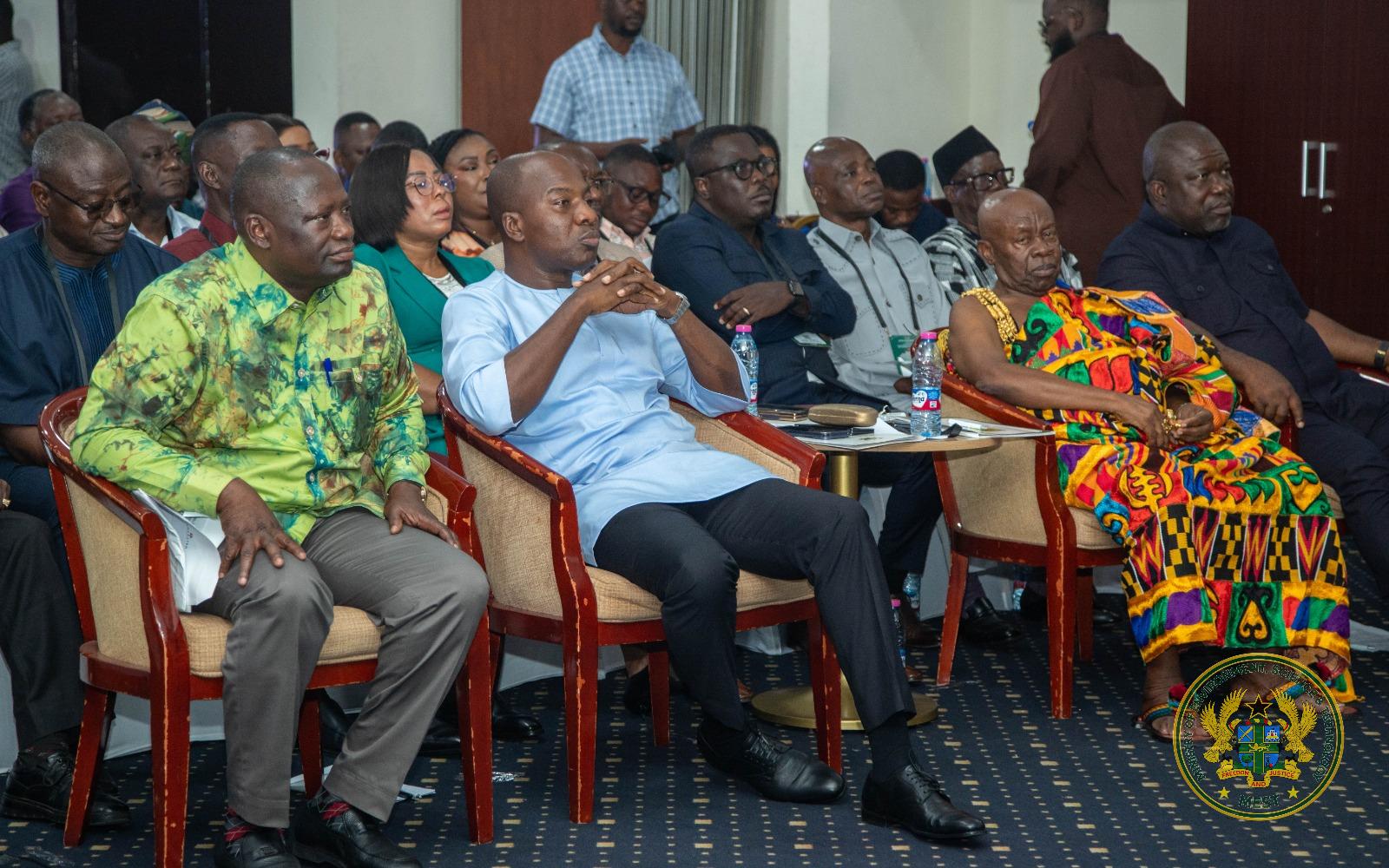
Present were the President of the National House of Chiefs and Paramount Chief of the Sefwi Anhwiaso Traditional Area, Ogyeahoho Yaw Gyebi II, who chaired the conference; members of the National House of Chiefs; the Minister for Local Government, Chieftaincy and Religious Affairs, Hon. Mahama Ayariga (MP); the Minister for Lands and Natural Resources, Hon. Emmanuel Armah-Kofi Buah (MP); the Ashanti Regional Minister, Dr. Frank Amoakohene; some Regional Ministers; and the Deputy Minister for the Interior, Hon. Ebenezer Okletey Terlabi (MP). Others were Members of Parliament, the National Security Coordinator and Heads of the Security Services, the Director of Operations of NAIMOS, the Acting Chief Executive Officer of the Minerals Commission, Isaac Tandoh, Metropolitan, Municipal and District Chief Executives, and the press.